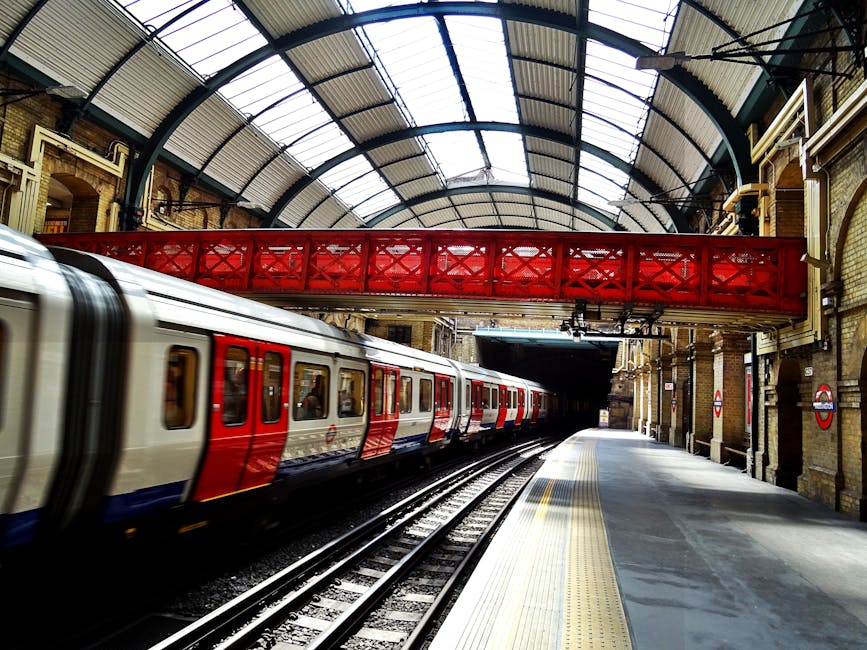
Removals from Queens Park Station to Maida Vale made easy

If you are planning removals from Queens Park Station to Maida Vale made easy, the good news is that this is one of those London moves that can be straightforward with the right preparation. The route is short, but anyone who has moved in and around this part of west London knows that short does not always mean simple. Tight streets, parking pressure, awkward stairwells, and the usual juggling of keys and timings can turn a tidy plan into a messy morning very quickly.
This guide walks you through the whole thing in plain English. You will see how the move typically works, what to expect on the day, which choices make life easier, and where people often trip themselves up. It is written for anyone moving a flat, a shared house, or a small office between Queen's Park Station and Maida Vale, with practical detail rather than vague moving advice. Truth be told, that is what people need most when the boxes are stacked and the kettle is packed somewhere "safe".
Whether you are moving a few streets across, shifting furniture between properties, or organising a full household relocation, the aim is the same: keep the move calm, efficient, and well timed. Let's get into it.
- Why this local move matters
- How the removal process works
- Key benefits and practical advantages
- Who this is for
- Step-by-step guidance
- Expert tips for better results
- Common mistakes to avoid
- Tools, resources and recommendations
- Law, compliance and best practice
- Options and comparison
- Real-world example
- Practical checklist
- Conclusion
- Frequently asked questions
Why Removals from Queens Park Station to Maida Vale made easy Matters
A move between Queen's Park Station and Maida Vale might look local on a map, but local moves have a habit of being the ones people underestimate. The distance is often short enough to make a same-day removal entirely realistic, yet the logistics can still be fiddly. That is especially true if you are moving at a busy time, working around school runs, or trying to avoid leaving items outside while waiting for a key handover.
Why does making it easy matter so much? Because a smooth local move reduces stress in the parts of the day where stress is most expensive: time, access, and energy. A late start can affect lift bookings, loading windows, parking availability, and even neighbours' patience. And let's face it, nobody wants to be the person blocking a narrow residential road with a sofa and a look of regret.
Maida Vale and Queen's Park are both areas where access planning matters. You may encounter controlled parking zones, permit constraints, residential streets with limited space, and building rules that affect how removals are carried out. The move itself might only take a short drive, but the start and finish points often decide whether the day feels easy or chaotic.
There is also a practical side. A properly planned local removal can save you money by reducing waiting time, unnecessary trips, and avoidable delays. That is especially useful for flats and maisonettes, where every extra minute spent carrying items adds effort. In our experience, the easiest moves are never the ones with the fewest boxes; they are the ones with the cleanest plan.
How Removals from Queens Park Station to Maida Vale made easy Works
The process is usually simple on paper: assess what needs moving, arrange transport, pack safely, load efficiently, travel the short route, and unload in the right order. In real life, the difference between a smooth move and a frustrating one is usually in the details.
A good local removals process usually starts with a clear assessment. That means understanding the size of the load, the number of rooms involved, access at both addresses, whether there are stairs or lifts, and whether any large items need dismantling. A small flat move can be handled very differently from a two-bedroom household with wardrobes, mattresses, and a few awkward items that will not forgive sloppy planning.
From there, the mover or the person organising the move should decide on the vehicle size, number of crew members, and estimated timings. For a short hop between Queen's Park Station and Maida Vale, a smaller removal van can be perfect if access is tight and the load is modest. For larger homes, a larger van or even a second trip may be more efficient than overstuffing one vehicle.
Another important part is timing the route. The area is busy enough that a short journey can still take longer than expected during rush hours, school drop-off periods, or when roadworks and local traffic stack up. A removal that begins early in the morning often feels calmer, partly because the streets are quieter and partly because everyone has more patience before lunch. That small thing matters more than people think.
The final stage is unloading in the correct order. Essentials first, fragile items handled carefully, and bulky furniture positioned so it does not block the hallway. A well-organised unload saves you from the common end-of-day scramble where the box with the bedding somehow vanishes. It happens. More often than people admit.
Key Benefits and Practical Advantages
When people search for a move like this, they are usually not only looking for transport. They are looking for relief. A properly managed removal brings several real advantages that are easy to feel on the day.
First, it cuts stress. That sounds obvious, but it is the strongest benefit by far. If the van turns up on time, parking is sorted, and the loading plan makes sense, you can focus on the parts that actually need your attention.
Second, it saves time. A short route between Queen's Park Station and Maida Vale can be turned into a single efficient journey, rather than a series of badly timed back-and-forth runs. That matters if you are paying by the hour or trying to fit the move around work and family commitments.
Third, it reduces damage risk. The more organised the move, the less likely you are to rush items, stack things badly, or drag furniture through narrow doorways. A good removal process protects both the belongings and the property. Walls and stair edges tend to lose those battles.
Fourth, it makes better use of local knowledge. Local movers understand common parking challenges, loading access, and typical access issues around West London flats and terraces. That knowledge can be the difference between smooth handling and ten minutes of awkward reversing while someone stands in the road scratching their head.
Fifth, it improves decision-making. Once you know how the move will be handled, it is easier to choose the right service level. Do you need a man and van service for a smaller move? Do you need packing support? Do you need a larger team because there is no lift and a piano is involved? Clear answers make the move feel manageable.
| Benefit | Why it helps | What it looks like in practice |
|---|---|---|
| Less stress | Fewer surprises on the day | Clear arrival time, clear loading plan, no last-minute panic |
| Better efficiency | Less waiting and fewer wasted trips | Boxes packed in order, route planned, items loaded once |
| Lower risk of damage | Safer handling of furniture and fragile items | Blankets, straps, and careful stacking used properly |
| Stronger local fit | Awareness of access and parking issues | Realistic timing and smarter vehicle choice |
Who This Is For and When It Makes Sense
This kind of local removal is a strong fit for several types of movers, not just one. If you are shifting from a one-bedroom flat near Queen's Park Station to a larger place in Maida Vale, it may be the easiest route to a neat same-day move. If you are downsizing, upgrading, or simply changing streets, the same approach applies.
It also makes sense for renters who are working to a fixed checkout deadline. Those moves often come with very little flexibility. If the previous tenants are still in place, or cleaners need to come in, or the inventory clerk is arriving at a specific time, everything has to line up. That is when a disciplined removals plan really earns its keep.
Families benefit too. You might have toys, school equipment, kitchen gear, and a whole collection of "we will need this tonight" items that should not disappear into the back of the van. A staged move helps keep essentials available and reduces the post-move chaos that always seems to hit at about 8pm.
It can also work well for:
- People moving between flats with awkward access
- Flat-sharers combining or splitting households
- Students or young professionals with smaller loads
- Homeowners moving furniture only, rather than a full property
- Small business owners relocating office items or stock locally
If the move involves valuable furniture, fragile items, or anything heavy and difficult to manoeuvre, a professional service is usually the sensible choice. The short distance does not remove the need for care. If anything, it can make people overconfident. That is where mistakes sneak in.
Step-by-Step Guidance
Here is a simple, practical way to organise removals from Queen's Park Station to Maida Vale without turning it into a full-scale production.
- Confirm both addresses and access conditions. Check whether there are stairs, lifts, narrow entrances, or restricted parking. One overlooked step here can throw the whole plan off.
- List everything that needs moving. Not just the big furniture. Include mirrors, lamps, plants, boxes, suitcases, and those odd-shaped things that never fit neatly anywhere.
- Decide what should be packed separately. Important documents, valuables, medication, chargers, and overnight essentials are best kept with you.
- Book the right service level. A simple van and driver may suit one move, while another may need loading help, packing assistance, or a larger crew.
- Prepare parking and timing. If permits or bay suspensions are required, arrange them early. If not, at least plan where the van can stop without causing a fuss.
- Pack in room order. This makes unloading much easier because boxes can go straight into the right rooms, not into one mysterious mountain in the hallway.
- Protect furniture properly. Use blankets, shrink wrap, tape, and straps where needed. A scratched table is annoying. A crushed table is worse.
- Load heavy items first. Weight should be balanced, with fragile items secured and not trapped under awkward furniture.
- Check the new property before unloading. Make sure access is clear, floors are protected if needed, and there is space to place furniture safely.
- Do a final sweep. Cupboards, lofts, under beds, behind doors, and the charging cable that somehow blends into the skirting board. Every time.
If you keep those steps in order, the move usually feels much less dramatic. Not glamorous, perhaps. But calm. And calm is what you want.
Expert Tips for Better Results
Small decisions often make the biggest difference. One of the most useful habits is to separate the move into "must-have now", "can wait a day", and "goes with the van" categories. That little bit of sorting prevents the classic mistake of packing your only kettle at the bottom of a box pile. Nobody enjoys that moment.
Another helpful tip is to use a brief inventory. It does not need to be a formal spreadsheet unless you really want one. A simple list of major furniture and fragile items will do. If something goes missing or gets placed in the wrong room, you will be glad you wrote it down.
For flats around Maida Vale and Queen's Park, access is often the main bottleneck, not the distance itself. So measure your larger pieces before moving day. Sofas, mattresses, wardrobes, and sideboards should be checked against door widths and stair turns. You do not want to discover on the landing that the chest of drawers is, in fact, a bit too chesty.
Try to avoid overfilling boxes. A box that is too heavy is not clever, just awkward. It slows everything down and increases the chance of damage or injury. Books, for example, are best split across several smaller boxes rather than packed into one heroic monster box that nobody wants to lift twice.
It also helps to keep a simple "first night" bag aside. Include chargers, toiletries, medication, a change of clothes, loo roll, snacks, tea bags, and any important paperwork. That one bag can save a surprising amount of stress when you arrive tired and the kitchen is still a sea of cardboard.
Expert summary: the easiest removals are rarely the fanciest ones. They are the ones where access is checked, packing is sensible, and everyone knows what happens next.
Common Mistakes to Avoid
There are a few recurring mistakes that show up again and again on local moves. Most of them are avoidable with a little preparation, which is why they are so frustrating.
Assuming the route is the only issue. It is not. The loading point and unloading point matter just as much, sometimes more. A five-minute drive can still turn into an expensive delay if access is poor.
Leaving packing too late. This is the classic one. People think a local move is easy, so they pack the night before and then spend the morning taping boxes with one eye open. Not ideal.
Ignoring parking rules. In London, a van cannot simply appear, stop anywhere, and hope for the best. Parking restrictions, local traffic, and building policies all matter. Planning these early saves a lot of swearing under your breath.
Not checking building requirements. Some blocks have move-in windows, lift bookings, or protection requirements for floors and walls. If you skip this step, you may lose time at the exact moment you want to gain it.
Mixing essentials with non-essentials. That leads to stress. Keep the things you will need within the first 24 hours separate and clearly marked.
Choosing the wrong vehicle size. Too small and you end up making multiple trips. Too big and you may pay for space you do not need, or struggle in tighter streets. Balance matters here.
One more thing: do not forget weather. A wet London morning can turn cardboard boxes and smooth staircases into a slightly ridiculous combination. It happens. Be ready for it rather than surprised by it.
Tools, Resources and Recommendations
You do not need a van full of specialist equipment to make a move work, but the right tools help a lot. A few basics can turn a fiddly day into a manageable one.
- Strong boxes: use good-quality moving boxes rather than tired supermarket ones where possible.
- Packing tape and markers: label each box with the room and a short contents note.
- Furniture blankets: helpful for protecting wood, glass, and painted surfaces.
- Straps and ties: useful for securing items inside the vehicle.
- Bubble wrap or paper: for fragile items and awkward corners.
- Trolley or sack truck: makes heavier loads much easier to handle.
- Floor protection: worth considering if you are moving in wet weather or into a property with delicate flooring.
If you are comparing service options, it can help to look closely at the range of support available rather than just the headline price. Some people only need a basic vehicle and driver. Others benefit from a fuller service such as man and van support, or a broader removal services option for more involved moves.
For larger properties, a dedicated house removals approach may be more practical, while smaller local jobs sometimes fit nicely with a flexible man with van setup. If you are not sure which direction to take, that uncertainty is normal. Most people are not moving experts, after all.
It is also worth thinking about packing help. A good packing and unpacking service can save hours, especially if your time is tight or your belongings include a lot of fragile kitchenware, books, or awkward decor items that take forever to wrap properly.
Law, Compliance, Standards, or Best Practice
For a local removal like this, legal and practical compliance is mostly about safe working, responsible transport, and respecting property rules. That includes parking legally, loading safely, and making sure items are handled without creating avoidable risk to people or property.
Professional movers in the UK are generally expected to operate with appropriate insurance and sensible manual handling practices. That may sound obvious, but it is worth checking. Insurance matters because moving furniture through stairwells, communal hallways, and narrow entrances carries real risk, however careful everyone is.
Health and safety also matters in plain, practical ways. Lifting should be sensible rather than heroic, routes should be kept clear, and heavy items should not be dragged where they can be carried more safely. For a client, the main question is simple: does the mover take care in a way that feels structured and responsible?
Good practice also includes clear communication about arrival times, access, and what is included in the service. If there are stairs, fragile items, or restricted lift access, those details should be discussed upfront. Surprises on moving day rarely feel charming.
If you want extra reassurance, it is sensible to review a provider's stated policies on insurance and safety and their health and safety policy. Those pages can help you understand how a mover approaches responsibility, risk, and the practical side of safe removals.
For financial clarity, it is also wise to understand how pricing is presented. Transparent quotes make it easier to compare services fairly. You can usually get a better sense of that through pricing and quotes information, which is especially useful if you are balancing cost with convenience.
Options, Methods, or Comparison Table
There is no single perfect way to handle a move from Queen's Park Station to Maida Vale. The right option depends on the size of your move, how much help you want, and how much time you can spare.
| Option | Best for | Pros | Possible drawbacks |
|---|---|---|---|
| Self-move | Very small loads and flexible schedules | Lower direct cost, full control | More physical effort, higher risk of delay or damage |
| Man and van | Small to medium local moves | Flexible, practical, often quicker to arrange | May need extra hands for heavier or awkward items |
| Full removal team | Larger homes or complex access | More support, better handling, less pressure on you | Usually costs more than a basic service |
| Packing plus removals | Busy households and fragile contents | Saves time, improves organisation | Needs more planning and usually a bigger budget |
If you are moving a few items only, a lighter service might be enough. For example, a bed, a sofa, a handful of boxes, and a dining table can usually be handled without too much fuss. If you are moving a full flat with books, kitchen equipment, and storage items, a more complete service is usually the smarter choice.
There is a common temptation to choose the cheapest option and hope for the best. Sometimes that works. Sometimes it becomes expensive in a different way, through delays, extra trips, or damaged items. It is worth comparing value, not just the number at the bottom of the page.
Case Study or Real-World Example
Imagine a couple moving from a top-floor flat near Queen's Park Station to a two-bedroom place in Maida Vale. The load is not huge, but it includes a bed frame, mattress, sofa, dining table, TV, about twenty boxes, and a few fragile items from the kitchen. Nothing outrageous. But the access is awkward at both ends, which is where the real challenge lives.
They start by checking parking options and making sure the new property will be available for unloading from the agreed time. One person packs the kitchen and labels every box by room. The other handles the dismantling of furniture the day before. A small bag of essentials stays with them, including chargers, bedding, mugs, and a few snacks. Sensible. Very sensible.
On move day, the team arrives early enough to avoid the worst of the traffic. The bed frame comes out first, followed by the sofa and boxes grouped by room. Because everything is labelled clearly, the unloading is quick and there is less backtracking. The fragile boxes stay on top and away from the heaviest furniture, which avoids damage. No drama, no missing items, no last-minute panic.
The thing they notice most is not speed, oddly enough. It is how much mental space the move leaves them with. They can actually think, open windows, place furniture properly, and unpack the first night without feeling wrecked. That is the real win.
Practical Checklist
Use this checklist to keep the move simple and under control.
- Confirm move date, time, and access at both addresses
- Check parking restrictions and any building rules
- Measure large furniture and difficult items
- Decide what you will pack yourself and what needs help
- Label boxes by room and priority
- Prepare a first-night essentials bag
- Protect fragile items with suitable wrapping
- Keep tools, chargers, and important documents separate
- Arrange lift bookings or key handover times if needed
- Review the mover's insurance, safety, and pricing information
- Walk through the property before leaving
- Do a final check of cupboards, storage areas, and out-of-sight corners
Key takeaway: the easiest local removals are the ones where access, timing, packing, and vehicle choice all line up before moving day. A short route should feel like a short route, not a long ordeal.
Conclusion
Removals from Queen's Park Station to Maida Vale made easy is really about keeping a local move properly local: planned, tidy, and calm. The distance is short, which is a genuine advantage, but only if the logistics are handled with care. Once you think through access, packing, timing, and the right level of help, the move becomes much more manageable than people first assume.
The best approach is usually the one that suits your actual situation, not the one that sounds most impressive. A smaller van, a careful packing plan, or a little extra support can make all the difference. There is no prize for making it harder than it needs to be.
If you are feeling a bit overloaded by the process, that is completely normal. Most people do at some point. The good news is that with the right preparation, a local move between Queen's Park Station and Maida Vale can be efficient, organised, and surprisingly smooth. And once the last box is in, you will feel it immediately. Relief, mainly. Then tea.
Get a free quote today and see how much you can save.
Frequently Asked Questions
How long does a move from Queen's Park Station to Maida Vale usually take?
For a small local move, the journey itself is short, but the full removal can take several hours depending on access, loading, unloading, and the amount of furniture involved. Flat moves with stairs often take longer than people expect.
Is this route suitable for a same-day removal?
Yes, in many cases it is. Same-day removals are often the most practical option for a move of this size, especially if both properties are ready and access is properly arranged.
What size van do I need for a local move like this?
That depends on the number of rooms and the size of the furniture. A smaller van may be enough for a few pieces and boxes, while a larger load or awkward access may need a bigger vehicle or more than one trip.
Do I need a full removal company, or is a man and van enough?
If you are moving a modest amount of furniture and boxes, a man and van service is often enough. For larger homes, difficult access, or more fragile contents, a fuller removal service may be better value overall.
How can I make the move less stressful?
Label boxes clearly, pack essentials separately, check parking and access early, and avoid leaving everything until the last minute. The boring prep work is the bit that saves you later.
What should I do with fragile items?
Wrap them carefully, pack them in sturdy boxes, and keep them separate from heavy items. It also helps to mark the boxes clearly so they are handled with extra care.
Are there parking issues around Queen's Park Station and Maida Vale?
There can be, depending on the street and time of day. That is why it is sensible to check parking restrictions and access in advance rather than assuming a van can stop wherever is convenient.
How do I choose between different removal options?
Compare the size of your move, the level of support you need, and the access at both properties. Price matters, of course, but so does reliability and whether the service actually fits the job.
Should I pack everything myself?
Not necessarily. Many people handle some packing themselves and use professional help for fragile or awkward items. That mixed approach can be a good middle ground.
What if my new property is not ready when the van arrives?
That can create delays and extra cost, so it is best to confirm handover times carefully. If there is any doubt, build in a little buffer rather than cutting it too fine.
Do movers usually provide insurance?
Many professional movers do carry insurance, but the details can vary. It is sensible to check what is covered before booking so you understand the level of protection available.
Where can I learn more about the company before booking?
You can review the company's background, service information, and policy pages to get a clearer picture of how they work. That kind of checking is worth the five minutes, honestly.
For more context on the provider and the way they work, you may also want to look at the broader about us page and the available removals information if you are comparing service options.